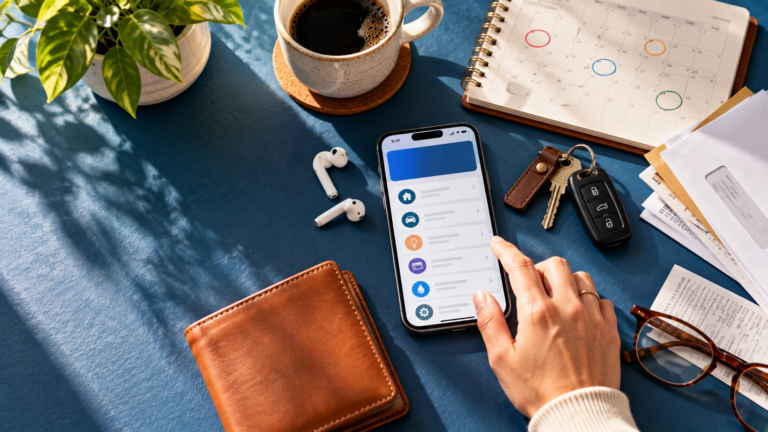
Paying bills, transferring money, checking balances, and keeping track of everyday purchases used to require more time and planning. Today, many of those tasks can be handled from a smartphone in just a few minutes. For people who already use their phones to manage work, shopping, transportation, and communication, mobile banking apps can make managing money feel like a more natural part of everyday life.
The real value of mobile banking is not simply that your bank is available on your phone. It is that many everyday financial tasks can be managed from one place. Instead of waiting until you are near a computer or visiting a branch for routine transactions, you can check your account, make a bill payment, transfer money, review recent activity, or receive an account alert wherever you have appropriate access. For young digital bankers in particular, that combination of convenience and visibility can make everyday financial management simpler.
How Do Mobile Banking Apps Make Everyday Payments Easier?
Mobile banking apps make everyday payments easier by giving customers digital access to common banking tools from a smartphone or other supported mobile device. Depending on the financial institution and app, customers may be able to pay bills, transfer money between accounts, deposit eligible checks, review transactions, manage debit cards, and receive account notifications without visiting a branch.
TBO Bank Mobile Banking gives customers access to balances, transfers, bill pay, and other everyday banking features from a supported mobile device. Having these tools available in one place can make it easier to keep track of money as it moves through an account. Instead of thinking about banking only when a statement arrives or a bill is due, customers can check balances and recent transactions throughout the month. That visibility can help make digital banking part of an everyday financial routine.
1. You Can Pay Bills From Almost Anywhere
One of the most useful features available through many mobile banking apps is digital bill payment. Instead of writing a check, finding a stamp, or waiting until you are sitting at a computer, you may be able to schedule eligible bill payments directly from your phone. Depending on the bank and bill pay service, payments can be scheduled for a future date, and recurring payments may be available for expenses that arrive regularly.
This convenience can be particularly helpful when managing several monthly obligations. Rent or mortgage payments, utilities, insurance, credit cards, and other bills can all have different due dates, and keeping track of them can become complicated. TBO Bank’s Personal Checking Accounts include access to online banking with bill pay, giving customers another way to manage regular payments as part of their everyday banking routine. Customers should still understand processing times and schedule payments early enough to meet applicable due dates.
2. Money Transfers Can Be Easier to Manage
Moving money between accounts is another everyday task that mobile banking apps can simplify. Depending on the financial institution and accounts involved, customers may be able to transfer money between checking and savings accounts, make payments to eligible accounts, or initiate other supported transfers without visiting a branch.
Easy access to money transfer tools can be useful for more than convenience. Someone who receives a paycheck in checking, for example, might regularly transfer part of that money into savings. Another customer might move money between accounts before paying a large expense. TBO Bank customers can use digital banking tools to transfer funds between eligible accounts, including checking and Personal Savings Accounts. Instead of treating these transfers as separate banking errands, mobile access allows customers to incorporate them into their normal financial management routine. Transfer availability, limits, processing times, and fees can vary, so customers should understand the terms associated with the services they use.
3. You Can See Transactions Without Waiting for a Statement
Mobile banking has changed how frequently consumers can see what is happening in their accounts. Rather than waiting for a monthly statement, customers can generally sign in and review recent account activity whenever they want. That can make it easier to confirm a purchase, see whether a deposit has posted, review a recent bill payment, or simply understand how much money is currently available.
This visibility can be especially useful for people who make frequent debit card purchases or mobile payments. A coffee here, a subscription there, lunch with friends, groceries, gas, and other everyday purchases can add up quickly. Reviewing transactions regularly provides a clearer picture of how money is being spent throughout the month instead of discovering the total after several weeks have passed. It can also make it easier to notice a transaction you do not recognize and contact the bank when appropriate.
4. Account Alerts Can Help You Pay Attention to Your Money
Many mobile banking apps allow customers to set up alerts or notifications related to account activity. Depending on the bank and available features, these might include notifications for certain transactions, balance changes, deposits, debit card activity, or other account events. Rather than repeatedly checking an account throughout the day, customers can use available alerts to stay informed about activity that matters to them.
Alerts do not replace regularly reviewing your account, but they can provide another layer of visibility. For someone working on household budgeting or trying to understand spending patterns, seeing notifications as transactions occur can make spending feel more immediate. For someone concerned about account security, certain transaction alerts can also make unusual activity easier to notice. Available alerts and notification settings vary by financial institution, so it is worth exploring which options are available within your mobile banking app.
5. Mobile Banking Can Put More Financial Tasks in One Place
Financial management can become complicated when information is scattered across different places. You may have bills arriving through email, purchases occurring through a debit card, deposits entering your checking account, transfers going into savings, and recurring payments being processed automatically. A mobile banking app cannot eliminate all of that complexity, but it can provide a central place to view many of the transactions affecting your bank accounts.
That central view can be particularly useful for young digital bankers who may rarely use paper statements or traditional checks. Instead of thinking about banking as something separate from daily life, account management can happen alongside the other tasks already handled on a phone. Checking a balance before making a purchase, confirming that a bill payment was processed, or transferring money into savings can take only a few moments while still helping you maintain a clearer understanding of your finances.
This combination of technology and personal banking does not have to be an either or choice. TBO Bank explores that idea further in Modern Banking With a Local Touch, including how digital tools can provide convenience while customers still have access to local banking support.
6. Mobile Banking Can Reduce the Need for Routine Branch Visits
Bank branches remain important for many customers and situations, but not every banking task requires an in person visit. Mobile banking apps allow many routine activities to be completed remotely, which can be particularly useful for customers with busy schedules or those who simply prefer digital banking for everyday transactions.
Depending on the bank’s mobile capabilities, customers may be able to review balances, transfer money, pay bills, manage account settings, access statements, and deposit eligible checks from a supported device. The result is not necessarily replacing personal banking relationships with technology. Instead, mobile banking can handle many routine tasks while customers still have access to people when they have questions, need assistance, or are dealing with a financial need that is easier to discuss directly.
Can Mobile Banking Apps Help With Budgeting?
Mobile banking apps can support household budgeting by making account balances and transaction activity easier to review. While the specific financial management tools available vary by institution, simply having regular access to recent transactions can provide useful information about where money is going. Customers can review recurring expenses, identify frequent purchases, monitor account balances, and compare spending patterns from one period to another.
This does not mean a mobile banking app automatically creates or manages a budget for you. The value comes from having easier access to the information needed to make financial decisions. When you can see purchases and payments as they occur, it may be easier to understand whether your actual spending matches what you expected at the beginning of the month.
Are Mobile Banking Apps Safe?
Financial institutions use a variety of safeguards to help protect online and mobile banking accounts. The FDIC offers consumer guidance on safe internet banking, including the importance of protecting passwords, using secure connections, and understanding how to identify legitimate banking websites and communications.
Customers also play an important role in protecting access to their accounts. Using a strong and unique password, protecting your device with a passcode or biometric authentication, keeping operating systems and banking apps updated, and being cautious about unexpected messages requesting account information can all help. Customers should contact their financial institution if they notice suspicious activity or believe their banking information may have been compromised.
Can You Deposit Checks With a Mobile Banking App?
Many banks offer mobile check deposit, which allows customers to deposit eligible checks by taking images of the front and back through the bank’s mobile app. The customer follows the instructions provided by the financial institution, submits the deposit, and can typically review its status through digital banking.
Mobile deposit can save a trip to a branch, but customers should understand that submitting a check through an app does not necessarily mean all funds are immediately available. Deposit limits, eligibility requirements, processing times, holds, and funds availability policies can vary. Following the bank’s instructions and retaining the physical check until the deposit has been successfully processed can help avoid problems.
How Are Mobile Banking and Mobile Payments Different?
Mobile banking and mobile payments are related, but they are not exactly the same thing. Mobile banking generally refers to accessing and managing your bank accounts through a financial institution’s mobile app. Mobile payments generally refer to using a mobile device to make a payment, which can include using a digital wallet or another supported payment service.
The two often work together as part of a broader digital banking experience. For example, TBO Bank customers with eligible cards can use TBO Bank Mobile Wallet to add their debit card to supported digital wallets for contactless purchases. A customer might make a mobile wallet purchase and then use mobile banking to review the resulting transaction, check an account balance, or transfer money. Understanding the difference can make it easier to know which service is handling a particular financial task and where to go if you have a question about a transaction.
What Should You Look for in a Mobile Banking App?
A useful mobile banking app should support the financial activities you perform most frequently. For some customers, that means easy access to balances, transaction history, bill payment, and money transfers. Others may prioritize mobile check deposit, account alerts, debit card controls, electronic statements, or additional digital banking tools.
Ease of use and security are also important. The app with the most features is not necessarily the most useful if routine tasks are difficult to find or understand. When evaluating a bank’s digital tools, think about what you actually expect to do from your phone and whether those capabilities make managing your accounts simpler.
Frequently Asked Questions About Mobile Banking Apps
What can you do with a mobile banking app? Depending on the financial institution, mobile banking apps may allow customers to check balances, review transactions, pay bills, transfer money, deposit eligible checks, access statements, receive alerts, and manage certain debit card or account settings.
Can you pay bills through mobile banking? Many banks provide bill payment capabilities through their digital banking services. Available payees, scheduling options, processing times, and other terms vary, so customers should review the bank’s bill pay information before scheduling payments.
Can you transfer money through a banking app? Many mobile banking apps allow customers to transfer money between eligible accounts. The types of transfers available, limits, processing times, and potential fees depend on the financial institution and accounts involved.
Do mobile banking apps show transactions immediately? Many transactions may appear relatively quickly, but posting and processing times vary depending on the transaction. Pending transactions may also differ from transactions that have fully posted to an account.
Do you still need a bank branch if you use mobile banking? Mobile banking can reduce the need for routine branch visits, but branches and personal assistance can still be useful when customers have questions, need particular services, or prefer speaking directly with someone.
Modern Banking With a Personal Connection
Mobile banking apps have made everyday financial tasks more convenient by bringing bill payment, money transfers, transaction history, account alerts, and other banking tools to the devices people already use throughout the day. For customers who prefer digital banking, that accessibility can make managing money feel less like a separate chore and more like a regular part of everyday life.
At TBO Bank, we believe modern banking and personal service should work together. TBO Bank Mobile Banking gives customers convenient access to everyday banking tools, while our local banking team remains available when a question is better handled by a person. Whether you prefer managing most of your everyday banking from your phone or occasionally stopping in to talk with someone, the goal is the same: making banking easier to understand and easier to use.