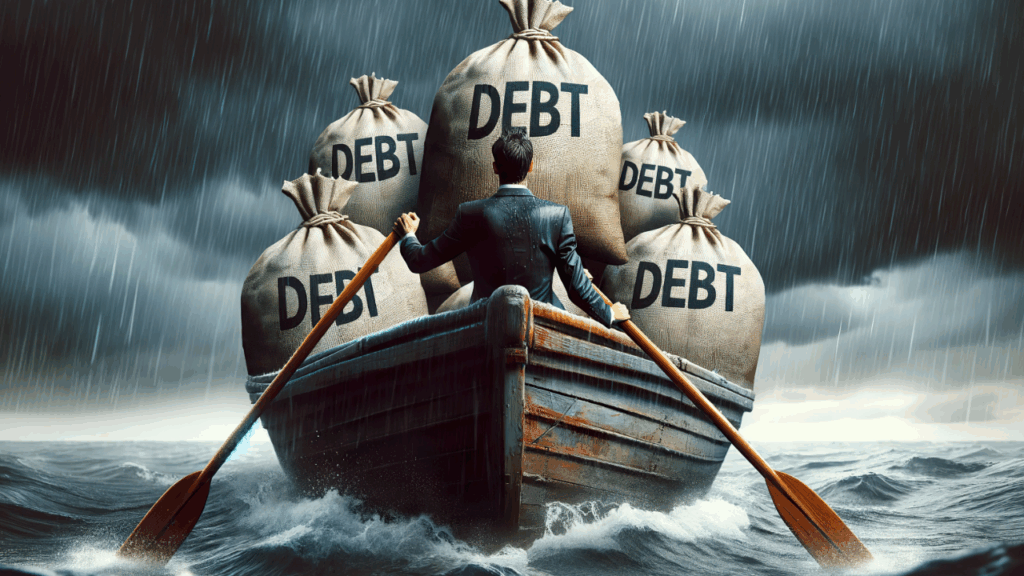
Debt consolidation generally involves using a new credit product to pay off multiple existing debts. Instead of maintaining several separate balances, the borrower is left with the new debt and its associated payment schedule.
For example, someone with balances on several credit cards might obtain a personal loan and use the proceeds to pay those balances. The credit card debts have been consolidated, but the amount borrowed still needs to be repaid according to the terms of the new loan.
Whether consolidation changes the total cost of borrowing depends on factors such as the new interest rate, fees, repayment period, and terms of the existing debts.
Common Types of Debt Consolidation
Debt consolidation can take several forms.
A personal installment loan may be used to pay multiple existing balances and replace them with a fixed payment over an established term. Some consumers may encounter credit card balance transfer offers that allow balances from other cards to be transferred to a new account, potentially with an introductory interest rate.
Home equity loans or lines of credit may also sometimes be used for debt consolidation. These products are different because they are generally secured by a borrower’s home.
Each approach has different rates, fees, qualification requirements, repayment structures, and risks. Understanding those differences is important when comparing borrowing products.
Consumers interested in understanding the types of lending products available through TBO Bank can explore TBO Bank Borrowing Options.
One Payment Can Be Easier to Follow
One potential feature of debt consolidation is simplicity.
Someone managing several credit accounts may have multiple monthly due dates and payment amounts. Consolidating those balances may replace them with a single payment associated with the new loan.
That can make the payment structure easier to follow, but convenience alone does not determine whether consolidation costs more or less.
The interest rate, loan term, fees, and total amount repaid are also important parts of understanding the new obligation.
A Lower Monthly Payment Does Not Always Mean a Lower Cost
This is one of the most important concepts to understand about debt consolidation.
A new loan may have a lower monthly payment simply because repayment has been spread over a longer period.
For example, replacing debts scheduled to be repaid over three years with a loan extending over five years could reduce the required monthly payment. However, making payments for two additional years may affect the total amount of interest paid.
That is why comparing monthly payments alone can provide an incomplete picture.
When reviewing any loan, consumers can also look at the annual percentage rate, applicable fees, repayment term, monthly payment, and total repayment amount disclosed with the product.
Interest Rates Can Make a Difference
Interest is the cost associated with borrowing money, and different forms of debt can carry significantly different rates.
Debt consolidation may result in a new interest rate that is higher or lower than rates associated with existing debts. The rate available to an individual borrower can depend on the lender, credit history, loan type, collateral, market conditions, and other factors.
A lower rate does not automatically guarantee that the new loan will cost less overall. Fees and the length of the repayment period can also affect total borrowing costs.
This is another reason looking at the complete terms of a loan can provide more information than focusing on a single number.
Fees Can Change the Calculation
Some consolidation products may include additional costs.
Balance transfer credit cards, for example, may charge a fee based on the amount transferred. Personal loans may have applicable fees depending on the lender and product. Loans secured by property can involve additional costs and requirements.
Introductory offers can also have expiration dates. A balance transfer card advertising a promotional interest rate may apply a different rate after the introductory period ends.
Understanding when rates change and what fees apply can help consumers see the broader cost of the credit product.
Secured and Unsecured Debt Are Different
Another important distinction involves collateral.
Many credit cards and personal loans are unsecured, meaning they are not directly secured by a specific asset such as a home.
Home equity loans and certain other lending products are secured by property. Using a secured loan to consolidate unsecured debt changes the nature of the obligation because an asset has been pledged as collateral.
Failure to repay secured debt according to its terms can put the collateral at risk.
This does not make secured borrowing inherently appropriate or inappropriate. It does mean consumers should understand the difference before comparing products.
Debt Consolidation Does Not Eliminate Debt
Consolidation can sometimes create the feeling that several debts have disappeared because the original account balances have been paid.
Financially, however, the obligation has generally been transferred.
If $15,000 in existing balances is paid using a $15,000 consolidation loan, the borrower still owes approximately $15,000 before considering applicable interest and fees. What has changed is where the debt is held and the terms governing its repayment.
Understanding that distinction can help make the concept of consolidation much clearer.
What Happens to the Original Credit Accounts?
Paying a credit card balance through consolidation does not necessarily close the original account.
Depending on the circumstances, those credit lines may remain available after the balances have been paid. Decisions involving whether to maintain or close credit accounts can also have other considerations, including potential effects on credit history and available credit.
Credit reporting and credit scoring involve numerous factors, and the effects of opening, closing, or changing accounts can vary by consumer and scoring model.
This is another area where broad rules do not necessarily apply equally to everyone.
Questions Can Help Consumers Understand a Loan
Because borrowing products can contain many different terms, asking questions can be an important part of understanding an offer.
Consumers may want to understand the interest rate and annual percentage rate, whether the rate is fixed or variable, the length of the repayment term, applicable fees, required monthly payments, whether collateral is involved, and whether there are other conditions associated with the loan.
The goal is not necessarily to determine whether debt consolidation is universally “smart” or a “mistake.” It is to understand exactly how the proposed new debt differs from the existing obligations.
At a community bank, that can also involve having a conversation with someone who can explain how a particular bank product works.
Why Local Conversations Still Matter
Borrowing decisions can involve terminology and calculations that may be unfamiliar to consumers who do not deal with lending every day.
At TBO Bank, we believe customers should have the opportunity to ask questions and understand the products we offer. Our local team can explain applicable loan features, terms, payments, and other information associated with TBO Bank lending products.
Customers can learn more about TBO Bank Personal Banking or contact our team to ask questions about available TBO Bank products and services.
Whether you visit us in Orrick or Prairie Village, our goal is to combine modern banking capabilities with the personal service that has always been an important part of community banking.
Final Thoughts
Debt consolidation is neither automatically a smart financial move nor automatically a costly mistake.
It is a way of restructuring existing debt, and the outcome depends on the specific terms involved. Interest rates, annual percentage rates, fees, repayment periods, monthly payments, collateral requirements, and total borrowing costs can all affect how one option compares with another.
Most importantly, consolidation does not erase what is owed. It replaces existing obligations with a different credit arrangement.
Understanding those details can make it easier to evaluate what a debt consolidation offer actually does. At TBO Bank, we believe lending conversations should begin with clear information and straightforward answers so customers can better understand the banking options available to them.