For years, the story was simple. Manufacturing moved overseas. Costs went down. Supply chains stretched across the globe.
That story is changing.
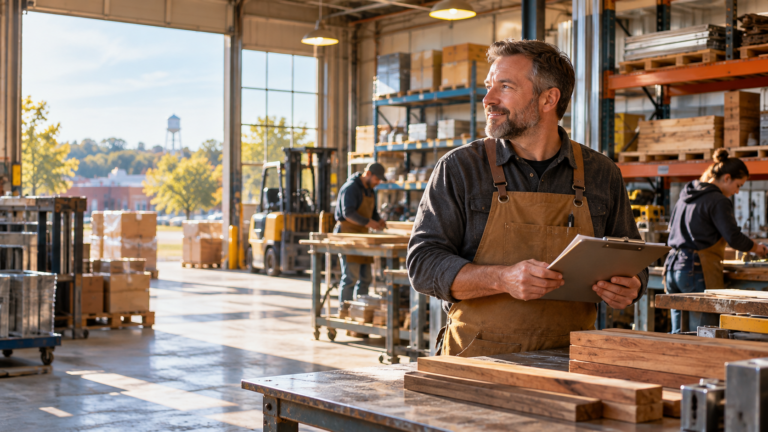
Manufacturing is coming back to the United States. You see it in new facilities, expanded operations, and renewed investment across the country. And here in the Midwest, that shift feels especially real.
But this is not a return to the past. It is something entirely different.
A Comeback That Looks Nothing Like Before
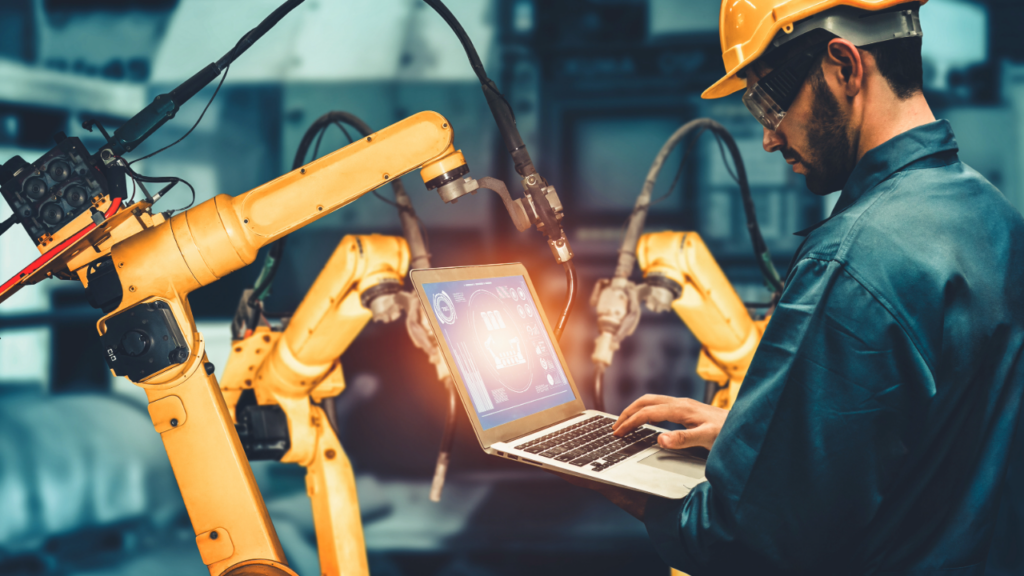
Today’s manufacturing environment is not built on large workforces and manual processes.
It is built on:
- Automation and robotics
- Precision equipment
- Data-driven operations
- Highly specialized labor
In many cases, new facilities employ fewer people than legacy plants, but require significantly more capital to build and operate.
This changes the equation for business owners.
Growth is no longer just about hiring more people. It is about investing in the right systems, equipment, and infrastructure to compete.
Why It’s Happening Now
Several forces are driving this shift:
- Supply chain disruptions exposed risk in overseas production
- Companies want more control and predictability
- Demand for faster delivery is increasing
- Technology has made domestic production more viable
For businesses in and around Kansas City, this creates a unique opportunity.
The Midwest sits at the center of the country’s logistics network. That makes it an ideal place for manufacturing, distribution, and movement of goods.
The question is not whether manufacturing is returning. The question is who is positioned to take advantage of it.
The Real Challenge: Capital, Not Demand
Demand is there. Opportunity is there. But the barrier for many businesses is capital.
Modern manufacturing requires:
- Advanced equipment purchases
- Facility upgrades or expansions
- Technology integration
- Longer planning timelines
These are not small decisions. They are long-term investments that shape the future of a business.
And they require a different kind of financial strategy.
For many businesses, that starts with understanding how to structure funding in a way that supports growth without putting pressure on day-to-day operations. Whether that means exploring equipment financing options, managing liquidity through the right accounts, or aligning debt with long-term ROI, the approach matters just as much as the capital itself.
Rethinking How Growth Gets Funded
Traditional financing models do not always align with how modern manufacturing operates.
Business owners are asking different questions:
- Should we purchase or finance new equipment?
- How do we preserve cash while still investing in growth?
- What is the right timeline for expansion?
- How do we structure financing around uncertain demand cycles?
These are not one-size-fits-all decisions.
They require a banking partner who understands the business, not just the balance sheet.
That is where having access to local business banking expertise can make a meaningful difference—especially when decisions need to be made quickly and with a full understanding of the local market.
Why Local Banking Matters More Than Ever
As manufacturing evolves, so does the need for flexibility.
Large institutions often rely on rigid frameworks. Standard timelines. Standard approvals. Standard structures. But growing businesses rarely operate in standard conditions.
Local banks can offer something different:
- Faster decision-making
- Direct access to experienced lenders
- Flexible financing structures
- A deeper understanding of the local market
That matters when timing, scale, and strategy all need to align.
Working with a team that understands both the financial side and the regional business landscape can help simplify complex decisions and keep projects moving forward.
What This Means for Businesses in Our Community
Manufacturing returning to the U.S. is not just a national trend. It is a local opportunity.
For businesses in Kansas City and surrounding communities, it means:
- New demand across supply chains
- Expansion opportunities for existing operations
- Increased competition for speed and efficiency
- A need to invest thoughtfully and strategically
The businesses that succeed will not be the ones that simply grow. They will be the ones that grow intentionally.
And that often includes building stronger financial systems, from business checking and cash flow management to long term financing strategies that support sustainable expansion.
A Different Kind of Growth
The return of manufacturing is not about going backward. It is about building something stronger, more resilient, and more local than what existed before.
That requires more than capital. It requires clarity. Strategy. And the right financial partner to support both.
At TBO Bank, we work closely with businesses across the region to navigate these decisions, helping them structure financing that supports long term growth, not just short term needs. If you are evaluating your next move, it may be worth having a conversation with a team that understands your business and the local market. Contact us to learn more about how we can support your next step.