Banking has changed dramatically. Apps are faster, transactions are easier, and many everyday banking tasks can now be completed without ever walking into a branch. That convenience has made banking fit more naturally into busy lives, but it has also made some banking relationships feel increasingly distant.
Community banking offers something different. Banking local is not simply about where an account is located. It is about having a financial institution that is connected to the people, businesses, and communities it serves. Even in a digital world, those relationships can still be an important part of the banking experience.
What Does It Mean to Bank Local?
Banking local generally means working with a community focused financial institution that has a direct connection to the area it serves. The people working there may live in the same communities as their customers, shop at the same businesses, attend the same local events, and understand many of the opportunities and challenges affecting the area.
TBO Bank’s own community banking roots go back more than 120 years to The Bank of Orrick. While the name and technology have changed, that history continues to shape how the bank approaches relationships today. You can learn more about TBO Bank’s story and community banking history.
More Than a Transaction
For many customers, a bank is primarily where deposits arrive, bills are paid, and everyday transactions take place. Those services are important, but community banking can extend beyond the individual transaction. Over time, customers may get to know the people at their bank, and bankers may become more familiar with the families and businesses they serve.
That familiarity can create a different kind of banking experience. When a question comes up, the conversation does not always have to begin with explaining who you are or describing your entire history. A relationship can develop over years and through different stages of life, from opening an early checking account to operating a business or navigating other changes in financial needs.
Decisions Made Close to Home
One of the characteristics commonly associated with community banks is their connection to local decision making. Rather than viewing every customer or business from a distance, local bankers have the opportunity to understand the communities where those customers live and work.
That local perspective can be especially meaningful when working with businesses. A banker familiar with the local economy may understand the industries, neighborhoods, development, and business environment surrounding a company in ways that are difficult to capture through numbers alone. It does not mean every banking decision will have a particular outcome, but it does provide context that comes from being part of the same community.
Why Personal Service Still Matters
Technology has made banking remarkably convenient. Customers can access account information, transfer funds, deposit checks, and complete many routine tasks digitally. For everyday transactions, that convenience can save considerable time and make banking easier to fit into daily life.
But not every banking interaction is a routine transaction. Sometimes a customer has a question that is easier to discuss with another person. A business owner may want to understand a banking service. A family may have questions about an account. Someone experiencing a major life change may simply want a clear explanation of the options available through the bank.
That is where personal service continues to have a place alongside technology. Digital tools can make banking more convenient, while relationships provide access to people when a conversation is needed.
Local Businesses Are Part of the Story
Community banks and local businesses share something important: both are connected to the places where they operate. Small businesses employ local residents, serve their neighbors, support community organizations, and help give towns and neighborhoods their individual character.
Community banks provide services designed around many of those business activities. TBO Bank’s business checking and savings accounts are one example, alongside other services available to businesses with different operational needs. Working with local companies also gives community bankers an opportunity to learn more about the people and businesses shaping the local economy.
The relationship between businesses and their communities extends well beyond banking. Restaurants, retailers, contractors, manufacturers, professional services firms, and countless other businesses contribute to the character and economic activity of the places people call home.
Banking Local in a Digital World
Banking local does not have to mean banking the way people did decades ago. Community banks can provide modern technology while maintaining the personal relationships that have traditionally defined local banking.
A customer might use a phone to check account information in the morning, complete another transaction online later in the day, and visit or call the bank when a question is better handled through conversation. These experiences can work together rather than compete with one another.
That combination may become even more important as technology continues to change financial services. Convenience is valuable, but so is knowing there are people behind the technology. Community banking can provide both, giving customers digital access for routine activities while maintaining a local connection when they want it.
Community Means Knowing Where You Bank
A local presence also gives customers an opportunity to know where their bank is and who is behind it. The institution is not simply a website or an app. It has people and locations connected to the communities it serves.
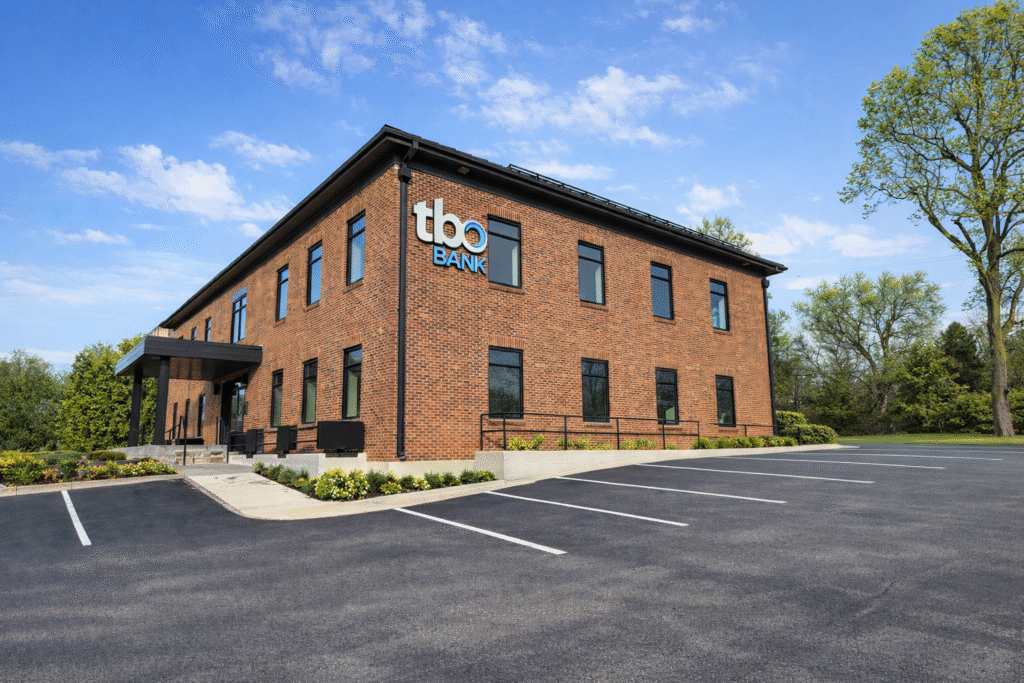
TBO Bank currently serves customers through locations in Orrick, Missouri, and Prairie Village, Kansas. Customers can find branch information, hours, and ways to reach the bank through TBO Bank’s Contact and Locations page.
Those locations represent two different communities, but the idea behind them is the same. Banking locally creates opportunities for customers to interact with people who are part of the region and understand the communities where they live and work.
Relationships Can Grow as Life Changes
Banking needs rarely stay exactly the same throughout someone’s life. A person may begin with a basic checking account and later encounter savings accounts, CDs, loans, business banking, or other financial services. Businesses change too, sometimes adding employees, locations, equipment, payment systems, or more complex banking needs as they grow.
A long term banking relationship provides continuity through those changes. Customers may encounter different services at different stages, but the relationship with the institution does not necessarily have to start over each time.
That is one of the less visible parts of community banking. The value is not always found in a particular transaction or product. Sometimes it is simply the familiarity that develops when people and businesses remain connected to the same local institution over time.
The TBO Bank Difference
TBO Bank began more than 120 years ago in Orrick, Missouri, as The Bank of Orrick. Today, the bank has grown beyond its original hometown and serves customers in both Orrick and Prairie Village while continuing to emphasize personal relationships and community banking.
The way people bank has changed considerably during that time. Technology has transformed transactions, businesses operate differently, and customers have access to banking tools that would have been unimaginable when the bank first opened its doors. What has remained familiar is the idea that banking can still be personal.
For TBO Bank, that means combining modern banking capabilities with people who take the time to listen, answer questions, and learn about the customers and businesses they serve.
Final Thoughts
Banking local is about more than geography. It describes a relationship between a financial institution and the community around it. That relationship can include local businesses, families, employees, schools, organizations, and the people who contribute to the character of a community every day.
Technology will continue changing the way people interact with their banks, and many of those changes will make banking faster and more convenient. But convenience and community do not have to be opposites. A bank can provide modern digital tools while still offering customers the opportunity to know the people behind them.
At TBO Bank, we are proud of our roots in Orrick and our growing presence in Prairie Village. More than a century after our story began, we still believe there is something meaningful about knowing your customers, understanding your community, and being there when someone wants a real conversation. That is what banking local means to us, and it is why community banking still has a place in an increasingly digital world.