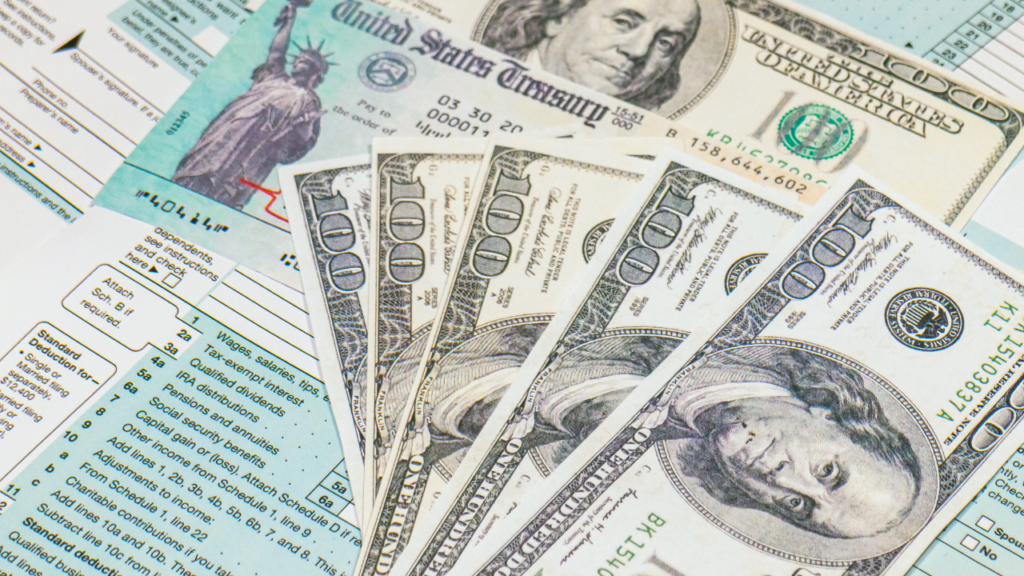
Receiving an IRS tax refund can feel a little like getting extra money, but a refund generally represents money that was overpaid in taxes during the year and is now being returned. For many households, receiving that money all at once creates an opportunity to think about financial priorities that may not normally fit into a monthly budget.
There is no single right way to use a tax refund. Some people may save it, others may use it for expenses or outstanding balances, and some may put it toward a future purchase or other financial goal. Individual circumstances vary, but understanding some of the common ways people use tax refunds can provide helpful context when that deposit arrives.
Before You Spend, Understand Your Options
A tax refund can stand out because it arrives separately from someone’s normal paycheck or other regular income. That can make it feel different from the money moving through a household’s checking account every month.
How people use that money varies considerably. Someone dealing with an upcoming expense may view a refund differently from someone who already has funds set aside. A homeowner, parent, business owner, recent graduate, or retiree may each have entirely different priorities.
Rather than assuming there is one best use for a refund, it can be helpful simply to understand the different options people commonly consider and how those choices work.
1. Adding to Savings
One common use for a tax refund is adding some or all of it to savings. Savings accounts generally provide a place to hold funds separately from money used for frequent everyday transactions, and they may earn interest according to the account’s terms and current rate.
People maintain savings for many different reasons. Some may want funds available for unexpected expenses, while others may associate their savings with a future purchase, travel, home projects, or another personal goal.
The important distinction is that checking and savings accounts are generally designed for different types of activity. Checking accounts are commonly used for frequent transactions, while savings accounts may be used for funds that do not need to move as regularly.
Customers interested in understanding the available options can explore TBO Bank Personal Banking.
2. Addressing Existing Debt
Another way some people use tax refunds is toward existing balances. Debt can include credit cards, personal loans, auto loans, student loans, mortgages, and other types of borrowing, each of which can have different interest rates, repayment terms, fees, and conditions.
Interest is an important part of understanding debt because it affects the total cost of borrowing. Depending on the type of debt, interest may continue to accrue while a balance remains outstanding. Loan agreements and credit accounts can differ considerably, so the impact of making an additional payment depends on the specific product and its terms.
Using a refund toward debt is an individual decision rather than a universal recommendation. What can be useful is understanding the balances, interest rates, repayment terms, and other conditions associated with existing obligations before making decisions involving them.
3. Setting Money Aside for a Specific Goal
Tax refunds may also be associated with a specific future expense or purchase. Some households may have travel plans, home projects, upcoming purchases, education expenses, or other goals they have been thinking about throughout the year.
Keeping funds associated with a particular goal separate from everyday transactions can also make account activity easier to understand. Different types of deposit accounts have different features, accessibility, rates, minimum balance requirements, and other conditions.
For money that may not be needed immediately, consumers may also encounter products such as Certificates of Deposit. CDs generally provide a stated interest rate for an established term and may include an early withdrawal penalty if funds are accessed before maturity.
Customers interested in learning how these products work can explore TBO Bank Certificates of Deposit.
4. Covering Upcoming or Delayed Expenses
Not every use of a tax refund has to involve a traditional financial product. Some people use refunds for expenses they know are approaching or for purchases and projects that have been postponed.
Those expenses can look very different from one household to another. A homeowner may have a repair or maintenance project on the horizon. A family may have an upcoming expense associated with school, transportation, or travel. Someone else may simply use the money for ordinary household expenses.
This is another reason there is no universal answer for how a tax refund should be used. The same refund amount can serve entirely different purposes depending on someone’s circumstances at the time it arrives.
5. Exploring Longer Term Financial Options
Some people may also consider longer term uses for part of a tax refund. That can introduce financial products beyond traditional checking and savings accounts, including retirement accounts and investments.
These products operate differently from bank deposit accounts and can involve different levels of risk, tax considerations, fees, rules, and potential returns. Investment products can also lose value and are not the same as FDIC insured deposit accounts.
Anyone researching these options should understand those distinctions and consider information from appropriate qualified financial and tax professionals when applicable. TBO Bank’s role is to provide information about the banking products and services we offer rather than recommend a particular investment or financial strategy.
Understanding Where Your Refund Goes
Regardless of how someone chooses to use a tax refund, the deposit becomes another part of the broader financial picture. If a refund is deposited into a checking or savings account, online and mobile banking tools may make it easier to see the deposit alongside other account activity.
This is one of the ways modern banking can make everyday financial information easier to access. Customers can view balances and transactions and become more familiar with how money is moving through their accounts without relying solely on monthly paper statements.
At TBO Bank, we believe access to clear account information is an important part of everyday banking. Our local teams in Orrick and Prairie Village are also available to explain the features and terms associated with the TBO Bank products and services customers may be considering.
Final Thoughts
A tax refund can be used in many different ways. Some people may add it to savings, some may address existing expenses or debt, some may associate it with a future goal, and others may simply use it as part of their everyday household finances.
There is no single choice that applies to every individual or family. Income, expenses, existing obligations, future plans, and personal circumstances can all influence how someone views that money.
At TBO Bank, we believe understanding your banking options is a valuable place to begin. Whether a refund remains in checking, moves into a savings product, or is used somewhere else entirely, knowing how different accounts and services work can make the choices available easier to understand.